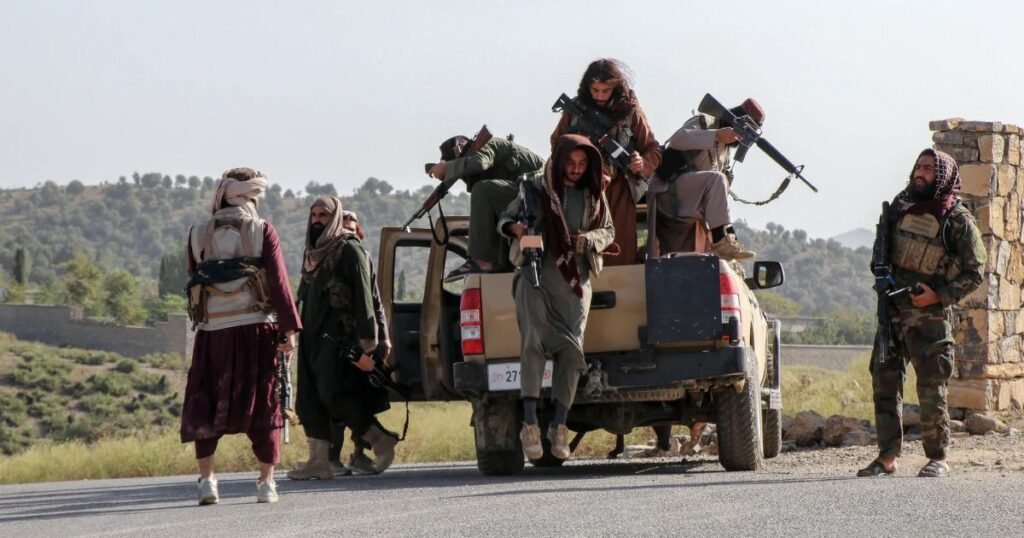
For now the 48 hours ceasefire is announced. Pakistani forces launched airstrikes in Kandahar and Kabul, targeting militants amid escalating border tension. The Afghan Taliban accused Islamabad of violation, while Pakistan‘s military denies sheltering ISIS-K terrorists. Zabihullah Mujahid confirmed dozens killed in residential areas, including women and children, sparking international concern. Both countries closed Torkham and Chaman crossings, halting trade and stranding hundreds of trucks carrying goods.
China and Russia urged restraint as clashes intensified along the frontier. Pakistan Armed Forces reported 58 Pakistani military deaths, while Taliban forces claimed retaliation for unprovoked attacks. The ceasefire observation agreed upon for 48 hours starting Wednesday aims to prevent further violence. Afghanistan‘s defence ministry spokesperson, Enayatullah Khowarazmi, described Pakistani security officials’ actions as aggression, demanding sincere efforts toward a solution. Diplomatic thaw remains uncertain despite India’s role in reopen embassy talks with Amir Khan Muttaqi.
Pakistan vs Afghanistan
48-Hour Ceasefire Agreement
| Aspect | Details |
|---|---|
| Agreement | 48-Hour Ceasefire |
| Parties | Pakistan Govt & TTP |
| Duration | 48 hours |
| Purpose | Temporary halt to fighting |
| Terms | No attacks or cross-border fire |
| Humanitarian Clause | Aid and evacuations allowed |
| Violations | Minor clashes reported |
| Outcome | Ceasefire ended; talks failed |
Neighbours attempted dialogue following intense weekend clashes that left scores of vehicles stranded at border checkpoints. Diplomacy efforts sought to halt escalation after multiple locations witnessed heavy weapons fire and explosions kilometres away from civilian populations. Officials from both sides engaged cautiously, hoping self-restraint could end conflict temporarily. The statement emphasized prioritise dialogue while troops maintained defensive positions.
Foreign interests monitored developments as ambulances transported wounded people to the hospital for blunt force trauma treatment. International laws demanded protection of citizens during this blatant violation of peace protocols. Calling for immediate avoidance of further violence, regional powers expressed concern about deteriorating conditions. The agreement represented fragile hope amid ongoing tensions threatening regional stability.
Recent Violence and Casualties
Afghan forces initiated firing near Zero Point around 22:00 local time, leaving one soldier critically wounded while two others sustained severe injuries. The clash quickly escalated as heavy exchange continued through early morning hours, resulting in immediate casualties among border personnel. Pakistani military spokesman called Kabul’s version “outrageous blatant lies” after Taliban troops opened fire without provocation.
Intense gunfire from the Afghan side prompted retaliation as defensive positions came under sustained attack near Kurram district. Police official stationed at the border received reports of coordinated assault patterns suggesting planned aggression rather than accidental escalation. The violent actions caused significant damage to infrastructure while stranding essential supplies meant for impoverished Afghanistan, which depends heavily on cross-border trade routes.
Border Crossings Closed
Border district authorities shut the barrier after heavy clashes left dozens civilians fleeing residential areas. Pakistani soldiers and Afghan Taliban troops exchanged fire near opposite Spin Boldak, where militants had attempted to construct new security outpost positions. The administration directed immediate closure, provided condition that fighting ceased by 1300 GMT.
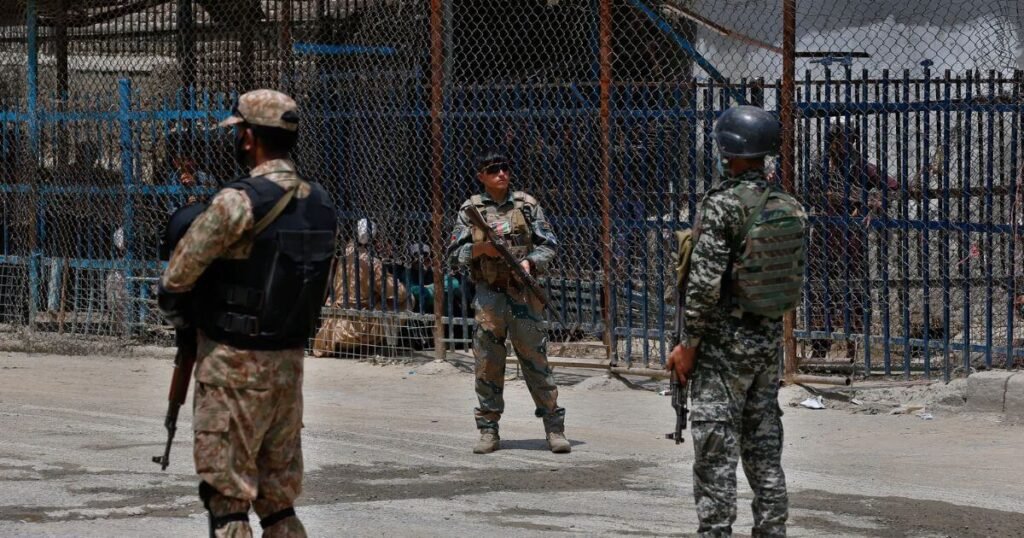
Frontier Corps reported six wounded during early hours confrontations while troops worked to safeguard the border checkpost. Security officials confirmed Taliban fighters had occupied strategic positions, prompting the government to keep territory secure. Military sources stated the closure would continue until both side agreements restored safe passage for trade.
Root Causes of Tension
The militant group TTP (Tehreek-e-Taliban Pakistan), established in 2007, has intensified attacks following the Taliban’s return to power in 2021. This coalition of hardline Sunni Islamist factions aims to overthrow Pakistan’s elected government and create an emirate governed by their interpretation of Islamic law. Authorities in Kabul are accused of harboring these rebels, fueling a growing insurgency that has resulted in hundreds of casualties among soldiers and civilians.
The leadership in New Delhi has watched as Pakistan’s arch-rival India sees opportunity in this tension, while groups trying to spoil the situation operate with apparent safe haven across the Afghan border province. Pakistan’s foreign minister at a press conference added that these affiliated fighters pose threats to borders, properties, and the nation’s territorial integrity.
Afghanistan’s Soviet-Era SCUD Missiles
SCUD missiles from the Soviet occupation of Afghanistan in 1979–1989 are still in place. These ballistic missiles, primarily SCUD-B variants, were abandoned when Soviet forces withdrew. Many are non-operational due to age, neglect, and missing parts, but some may still be in arsenals under Taliban control or in abandoned military installations.
These outdated missiles, according to me, pose little immediate threat because of their deteriorated condition and the Taliban’s lack of technical expertise to maintain them. However, their presence raises concerns about potential dissemination to adversarial nations or extremist groups. In order to prevent misuse and preserve regional security, international supervision of these weapons is still crucial.
Tehrik-i-Taliban Pakistan (TTP)
- Formed after anti–Al-Qaida operations in FATA.
- Led by Baitullah Mehsud; around 30,000–35,000 members.
- Involved in attacks, assassinations, and suicide bombings.
- Behind Malala Yousafzai’s 2012 attack.
- Became more aggressive after Afghan Taliban takeover.
- Ceasefire ended in 2022, citing government betrayal.
International Response
Despite increasing skirmishes, the diplomatic scene is surprisingly quiet. As border tensions escalate without any clear plans for intervention, foreign governments have mostly refrained from making direct statements. Although officials from nearby nations privately voice their concerns, there is no public condemnation. International organizations, meanwhile, find it difficult to promote fruitful communication between the two antagonistic sides.
Because one combatant is landlocked, regional powers are afraid of wider destabilization. Discussions about economic sanctions are quiet, but there are many obstacles to their actualization. According to security analysts, the conflict may escalate, impacting humanitarian aid and trade routes. According to some sources, diplomatic channels are still open despite the current situation.
India’s Role in Pakistan-Afghanistan Conflicts
India has long supported Afghan governments in their efforts to counter Taliban influence by building infrastructure, offering diplomatic assistance, and providing humanitarian aid. India’s strategic interests in Central Asia and its desire to counterbalance Pakistan’s influence there create a complex geopolitical dynamic.
India’s participation, in my opinion, is a component of a wider conflict with Pakistan over regional influence. India wants to prevent terrorist sanctuaries near its borders by strengthening its ties with Afghanistan, in addition to opposing Pakistan’s strategic depth policy, which has long-term security implications for the stability of South Asia.
Official Statements
The regime’s official position contradicts Taliban claims that Pakistani forces initiated hostilities without provocation. Foreign Minister’s first visit to regional capitals aimed at diplomatic de-escalation, yet Naqvi warned that any malicious eye toward national interests would receive a befitting reply.
Meanwhile, Defence officials maintain that intelligence-based targeting eliminated high-value targets, including Commander Sher Zaman and other key commanders operating camps for recruitment and training young child combatants. The Army stated these precision strikes were necessary responses to militant attacks that killed 16 Pakistani soldiers at border outposts.
Indian Funding in Afghanistan
Between 2001 and 2021, India spent about $3 billion on reconstruction in Afghanistan, concentrating on infrastructure projects such as the construction of the Afghan Parliament building, the Salma Dam, and road networks that connected to Iranian ports. In addition to promoting Afghan development and stability, this funding sought to counter Pakistan’s regional domination and establish India’s soft power influence.
I believe that Indian funding was purposefully intended to build economic corridors that avoid Pakistan and foster enduring goodwill among Afghan citizens. However, India’s large investments are uncertain following the Taliban takeover in 2021. India’s efforts to gain influence in Central Asian geopolitics and prevent Afghanistan from serving as a base for militants hostile to India were reflected in this funding.
Pakistan’s Response to Escalating Border Clashes
- Defence Minister Khawaja Asif Stated operations will continue despite Taliban opposition: “If attacked, we’ll strike back.”
- Interior Ministry confirmed cross-border clashes, injuring one soldier.
- PAF conducted airstrikes on militant targets; both sides dispute casualties.
- President of Pakistan Asif Ali Zardari vowed strong retaliation and zero tolerance for territorial violations.
Diplomatic Context
International efforts addressing Pakistan-Afghanistan border tensions have drawn attention from Qatar, which has offered to help mediate the crisis. The last week’s clashes prompted urging from regional powers to prevent further escalation. Their investments in stabilizing the region reflect growing concern over deteriorating relations.
Official channels remain strained as both sides struggle to maintain dialogue. Kabul’s accusation of unprovoked aggression was dismissed by Islamabad, which insists its right to secure borders is non-negotiable. The BBC coverage began at 17:00 GMT as authorities post conflicting narratives about who launched attack first.
Background TTP
Tehreek-e-Taliban Pakistan, a militant group, was established in 2007 as a coalition of hardline Sunni Islamist factions. This formation came as a response to military actions in Federally Administered Tribal Areas, FATA, an area in northwest Pakistan. The Al-Qaida-affiliated organization was led initially by Baitullah Mehsud and is primarily located along border regions. With an estimated 30,000-35,000 members, the group aims to overthrow the elected government and create an emirate governed by their interpretation of Islamic law. This goal has driven them to target political figures through numerous suicide bombings, causing thousands of deaths among police and civilians.
They remain responsible for devastating attacks targeting churches, schools, and notable figures like Malala Yousafzai, who survived an assassination attempt in 2012 for advocating for women’s education against Taliban restrictions. Following the takeover in 2021, TTP became more aggressive as leaders and fighters based there grew emboldened, ending their cease-fire and launching intensified attacks, ultimately causing increased regional instability.
Historical Context Previous Border Clashes
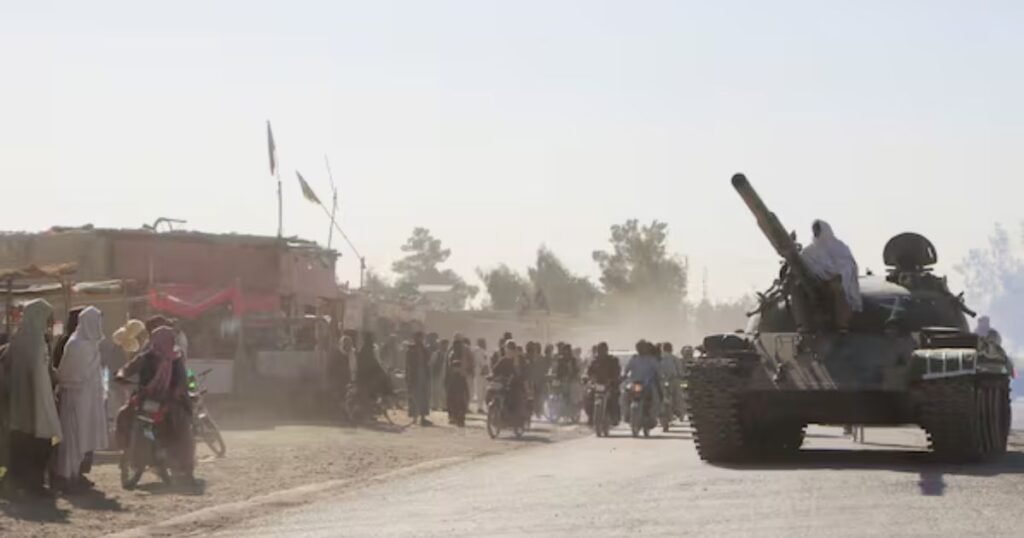
Between 2–3 March 2025, tensions erupted as forces exchanged fire along contested zones. The skirmish saw mortar shelling that prompting hundreds to vacate homes, with civilian casualties injured during crossfire. Soviet-era hardware, including a T-62 tank operated by frontier units, was destroyed in retaliation. This conflict mirrored the 7 September 2024 incident when border guards clashed near Frontier Corps positions.
Earlier confrontations had claimed lives at least eight insurgents and 16 others died in escalating violence. The 25 December 2024 response involved Air Force launched strikes across seven locations located in Barmal District, province areas, initially claiming killing 20-25 militants. Reports indicate the compound targeted included Laman, Margha, and Murg Bazaar villages—one completely destroyed—while HVTs like alias Mukhlis Yar’s hideout, Abu Hamza’s recruitment camp, and Akhtar Muhammad Khalil training facilities were struck.
September 2024 Clashes
Fifteen Taliban fighters captured strategic posts near the border during early autumn skirmishes. Four Pakistani soldiers were killed when militant groups launched coordinated strikes against fortified positions. The Islamic Emirate forces began fortifying these newly acquired positions while raising flags across contested terrain. Local residents reported imminent escalation as both sides deployed heavy weaponry systems. Armed convoys moved through Khost and Paktika, provinces witnessing increased military presence daily.
Attack helicopters from Pakistan’s Armed Forces conducted precision strikes targeting militant training facilities hidden within mountainous regions. Artillery strikes intensified as Taliban troops used Soviet-era Tanks and Humvees left following the American withdrawal years prior. Multiple battalion level units engaged in ongoing skirmishes near Sarkano district, where mortar fire hit an Afghan bunker. Two others sustained injuries when explosions rocked their outpost positions. Intelligence sources confirmed three members of insurgent cells operated from these strategic locations.
December 2024 Escalation
Insistence on immediate military action marked December’s dangerous trajectory as both sides deployed forces. The other side commits tactical maneuvers while implementation of defensive protocols accelerated rapidly. Border posts received reinforcement orders effective 6pm, transforming frontier zones into potential flashpoints. Militant networks exploited this chaos systematically.
Orakzai District Attacks Summary
- 11 soldiers killed, over 100 wounded in coordinated militant assaults.
- Six clashes confirmed; airstrikes caused civilian and combatant casualties.
- 40 treated at EMERGENCY’s Surgical Centre, including militants.
- Nine Taliban fighters found during searches.
- 29 soldiers evacuated as new airstrikes targeted militant sites.
Ongoing Military Deployments
Personnel and police units have been deployed across the border region as tensions escalate. Local residents witness fortifying operations while Armed Forces maintain heightened readiness. The government has stepped up security measures along vulnerable posts. Military installations now host additional commanders overseeing tactical operations.
Soldiers patrol strategic checkpoints amid fears of imminent confrontation. Training protocols intensify for units stationed in contested zones. Officers coordinate defensive positions as both sides prepare for potential large scale operation. Observers note the unprecedented concentration of military assets in the area. The buildup reflects growing concerns about country’s stability amid recent friction.
January-March 2025 Incidents
- Frequent border clashes reported along the Durand Line.
- PAF airstrikes targeted suspected TTP hideouts in Afghan territory.
- Afghan forces retaliated, accusing Pakistan of violating airspace.
- Casualties on both sides, including civilians and security personnel.
- Peace talks stalled amid rising cross-border tensions.
- Ceasefire attempts failed, leading to renewed hostilities.
Several border crossings closed in the aftermath of escalating tensions, leaving traders stranded without access to food and other goods. The main source of food supplies from the north and south remained blocked temporarily.
Recent friction intensified as both nations accused each other of provoking conflict and spreading misinformation to undermine country’s stability. Afghanistan demanded Pakistan tackle militants who operate in safe havens and have stepped up attacks, while Pakistan long accused Afghanistan of permitting the Pakistan Taliban (TTP) to operate from land and fight the government in a bid to enforce a strict Islamic-led system of governance, charges both sides have always denied.
Attacks on Chinese Nationals
Islamic State Khorasan, a regional affiliate of the Islamic State group, remains active in targeting civilians through calculated bombings. The ISIS-linked militants conspiring against infrastructure projects frequently target Chinese workers, with groups quick to claim responsibility. This Tehreek-e-Taliban Pakistan faction opposes economic corridors, viewing them as threats to their territorial influence and ideological goals.
Beijing’s investments face systematic threats from militants primarily located in the northwest area along the border region. These violent actions aim to achieve their strategic goal of disrupting development initiatives while targeting foreign nationals and personnel, including police protection details assigned to secure these critical projects.
Frequently Asked Questions (FAQs)
Is there a war between Afghanistan and Pakistan?
No, there is no official war, but border tensions and clashes have increased due to militant activity along the Durand Line, leading to strained relations between both countries.
What is Afghanistan’s relationship with Pakistan?
Relations are tense and unstable, marked by security concerns and cross-border militancy. Despite trade and diplomatic ties, trust remains low between the two governments.
What is the problem in Pakistan now?
Pakistan faces rising militant attacks, economic challenges, and political instability, especially in border regions where terror groups like TTP are active.
Is Afghanistan supporting Pakistan or India?
Currently, Afghanistan maintains closer ties with India, while relations with Pakistan are strained over terrorism and border disputes.
How safe is Pakistan now?
Major cities are relatively safe, but border and tribal areas face recurring terror threats and security operations, making safety uneven across regions.
Read More:
Pakistan-Afghanistan: 23 Soldiers Martyred, Over 200 Taliban Militants Killed in Cross-Border Clashes
F-22 vs F-35 Fighter Jet: America’s Air Dominance Duel
Final Words
Border crossings closed as tensions simmer between neighboring nations facing historic challenges. The latest tension coincided with diplomatic efforts, yet conflicts repeatedly broken out despite international mediation attempts. Having witnessed regional dynamics firsthand, I’ve observed how clash, attack, and skirmished incidents reshape bilateral relations fundamentally.
Firing incidents and mortar exchanges demonstrate escalation risks that threaten stability across shared borders. Troops, soldiers, and officers remain deployed while suicide bombers continue targeting strategic locations. Security concerns dominate as TTP, BLA, and various militant factions operate across bordering territories, creating persistent volatility.

Dua Mahfooz is an experienced journalist and financial analyst for Pakistan Coverage, specializing in celebrity net worth analysis, entertainment industry trends, and breaking news. With expertise in wealth assessment and market research, she provides accurate financial insights on public figures alongside comprehensive coverage of political, economic, and social developments. Her commitment to thorough research and fact-checking ensures reliable, well-sourced content across diverse topics.